

Bill C-53, An Act respecting the recognition of certain Métis governments in Alberta, Ontario and Saskatchewan, to give effect to treaties with those governments and to make consequential amendments to other Acts
Bill C-53 is dead. The MNO Self Government Recognition and Implementation Agreement is not yet.
Artwork by Autumn Smith
In September 2022, Chiefs-in-Assembly passed Resolution 22/31S First Nations in Ontario’s Opposition to Canada’s Recognition of the Metis Nation of Ontario’s Self-Governance which states that First Nations in the Ontario region vehemently reject the existence of a factual or legal basis to conclude that all of the communities represented by MNO existed historically or could be entitled to hold section 35 rights under the Constitution Act, 1982.. The resolution demands that the Government of Canada refrain from any actions which unlawfully recognize the MNO as section 35 rights holders.
Canada admits that it has done nothing to verify MNO’s claims, it refuses to consult with First Nations, and refuses to even acknowledge the extensive research showing MNO’s claims are false. Canada cannot introduce any legislation to implement the MNO Self-Government Agreement or otherwise recognize the MNO as having section 35 rights while these serious issues are outstanding.
First Nations have always opposed the recognition of the MNO as an entity that holds rights on First Nations’ territories in Ontario.. Our Nations do not recognize the MNO as a legitimate Indigenous Government. We have maintained this position in our collective opposition to the Self-Government Agreement and Bill C-53, Recognition of Certain Métis Governments in Alberta, Ontario and Saskatchewan and Métis Self-Government Act.
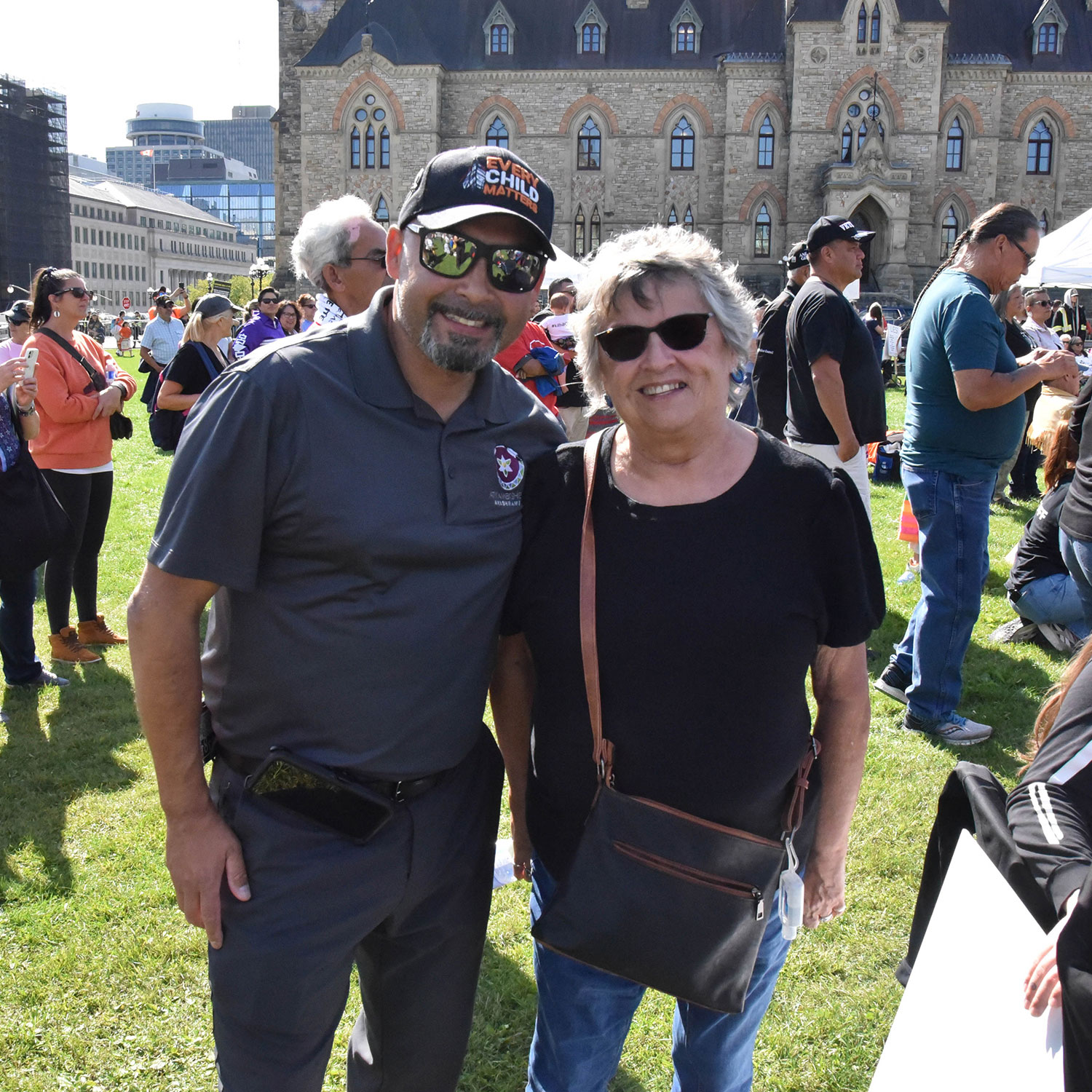
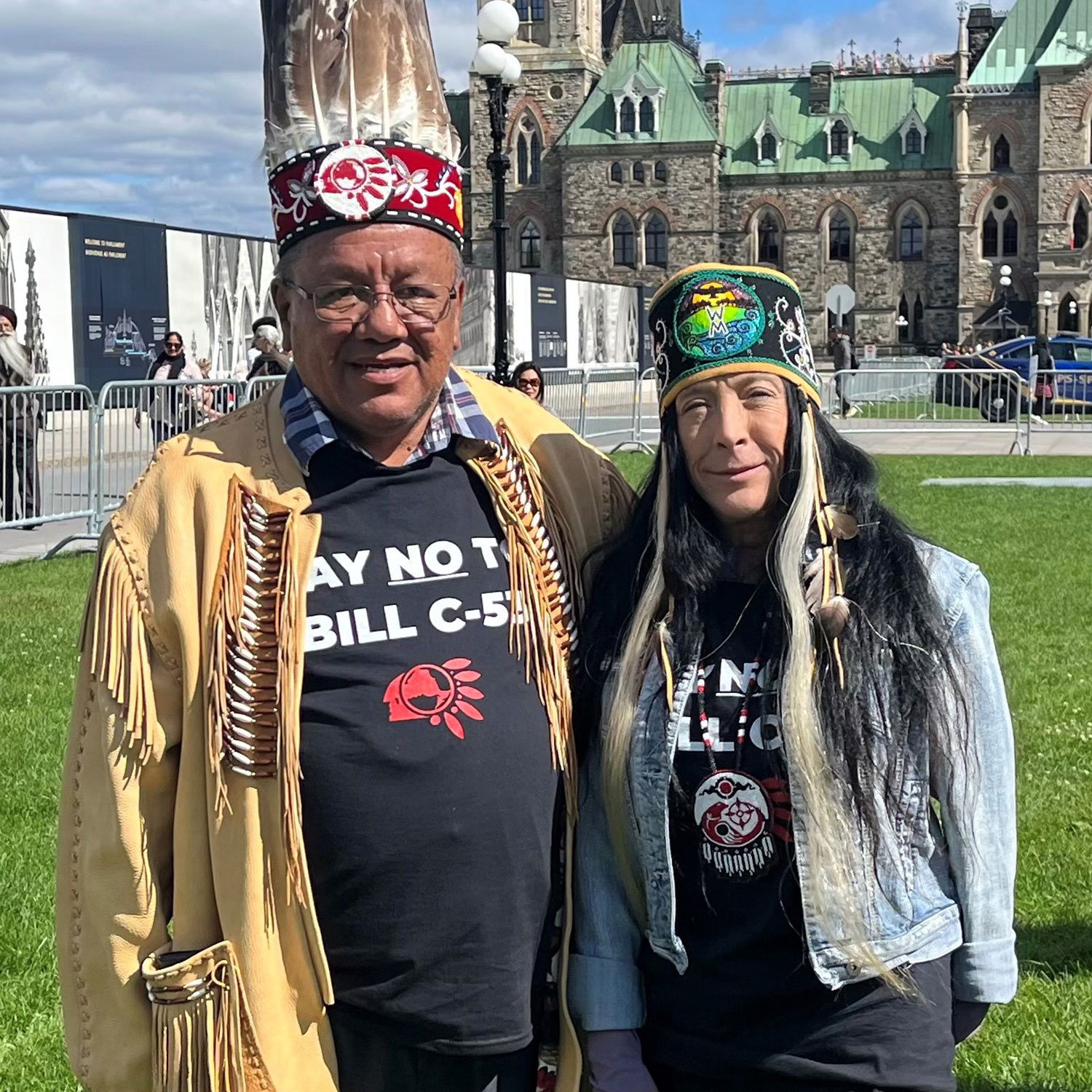
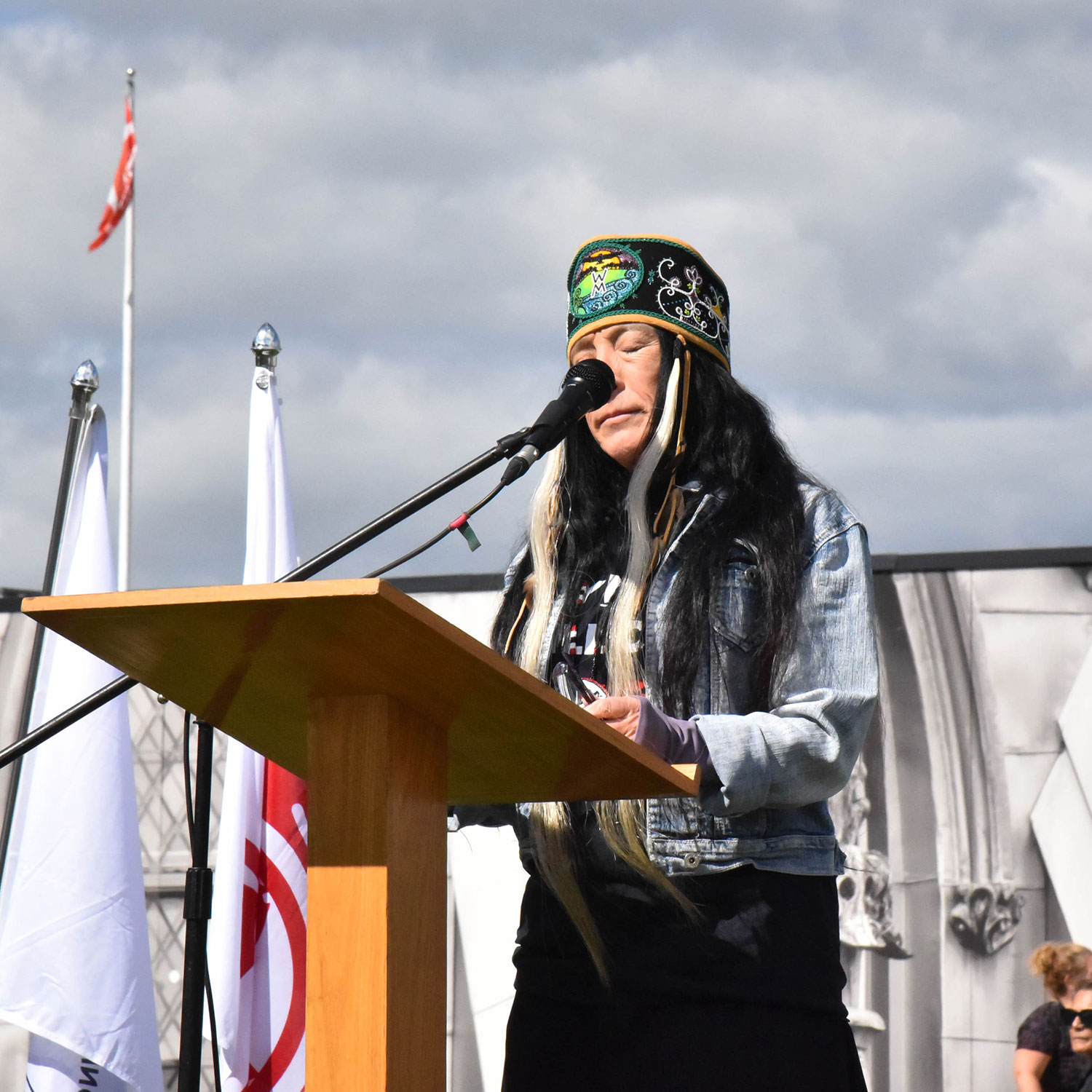
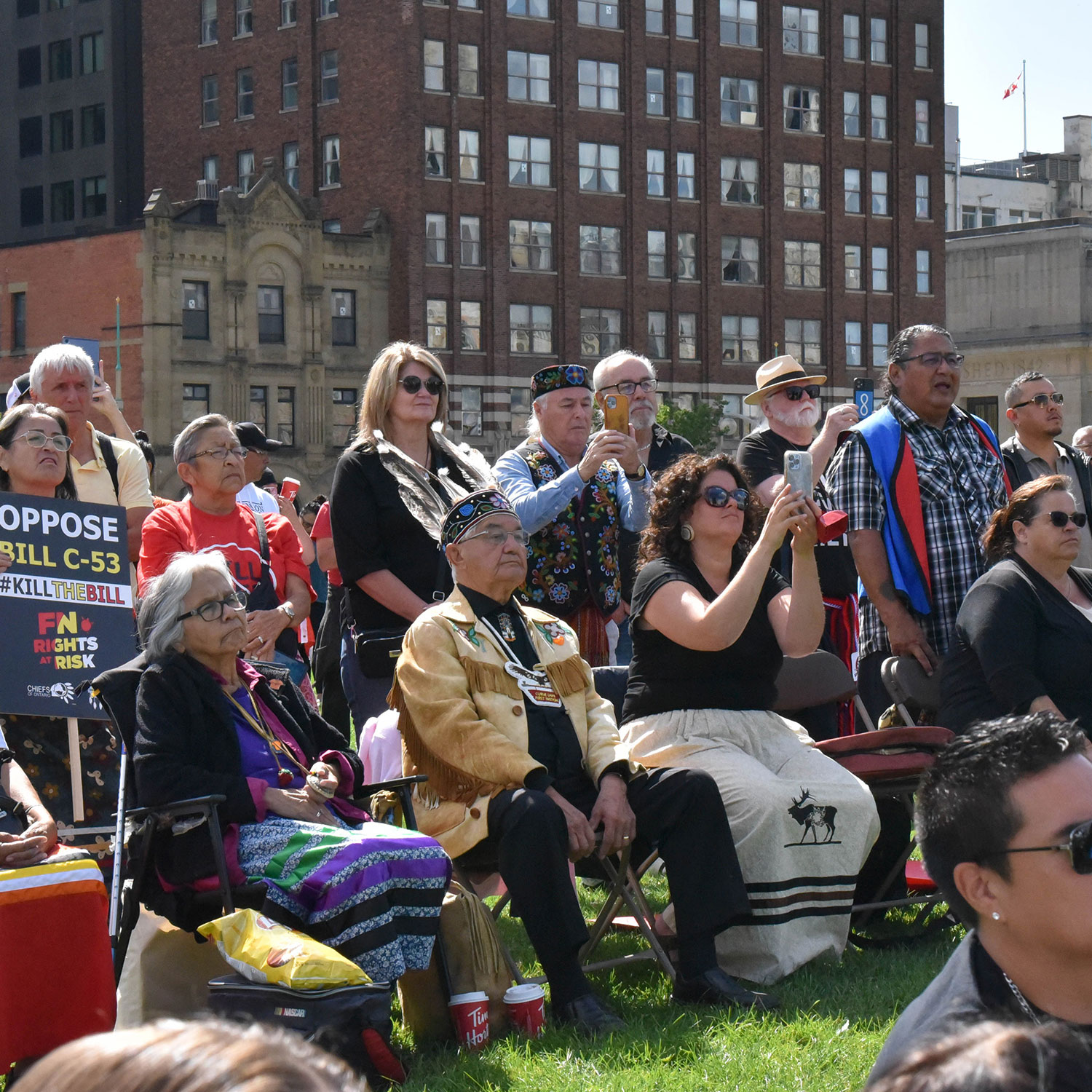
First Nation Leadership, technicians, Elders and Knowledge Keepers, Youth, family and community members, allies and supporters gathered on Parliament Hill for peaceful demonstrations on June 19, 2023, and September 20, 2023, to oppose the introduction of Bill C-53.
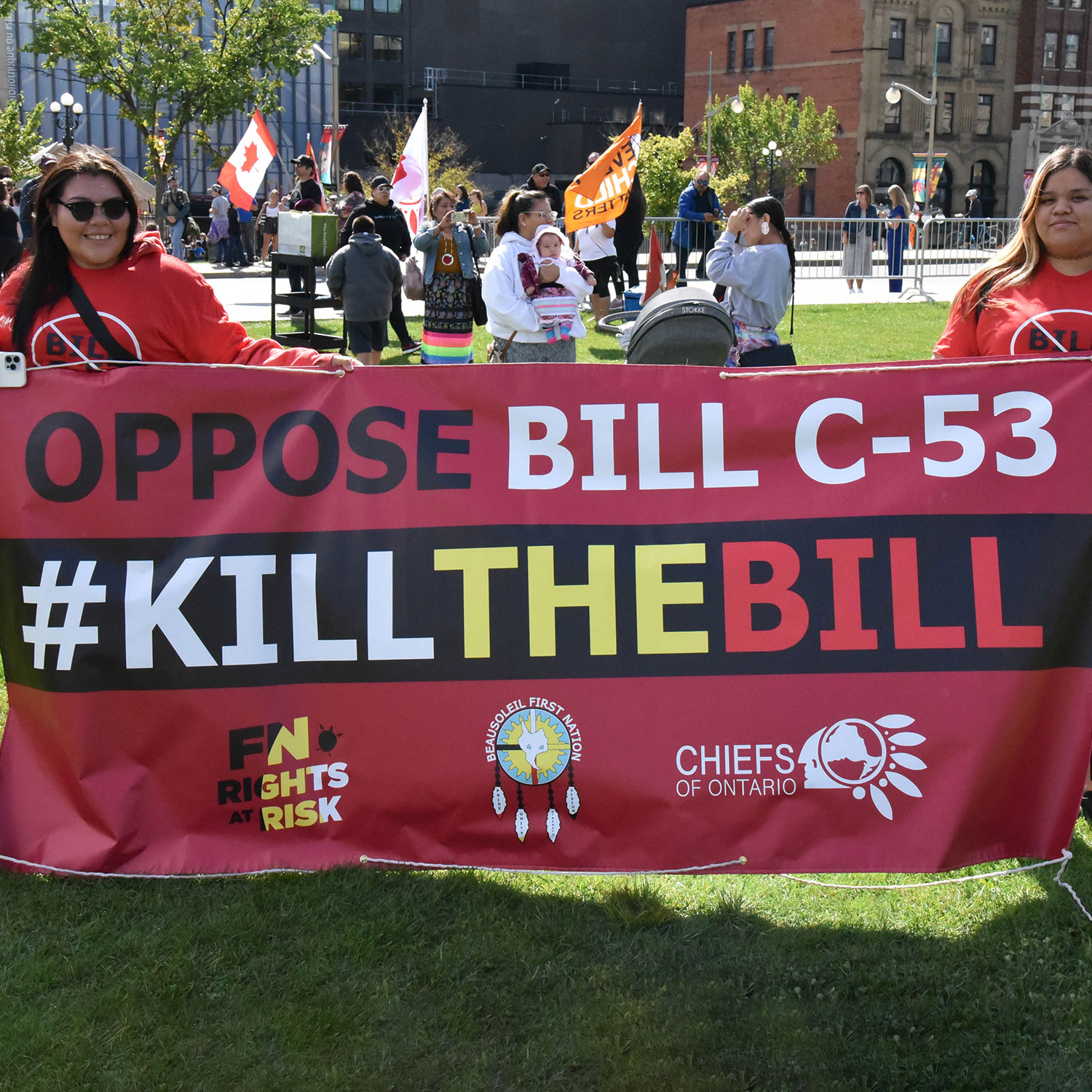
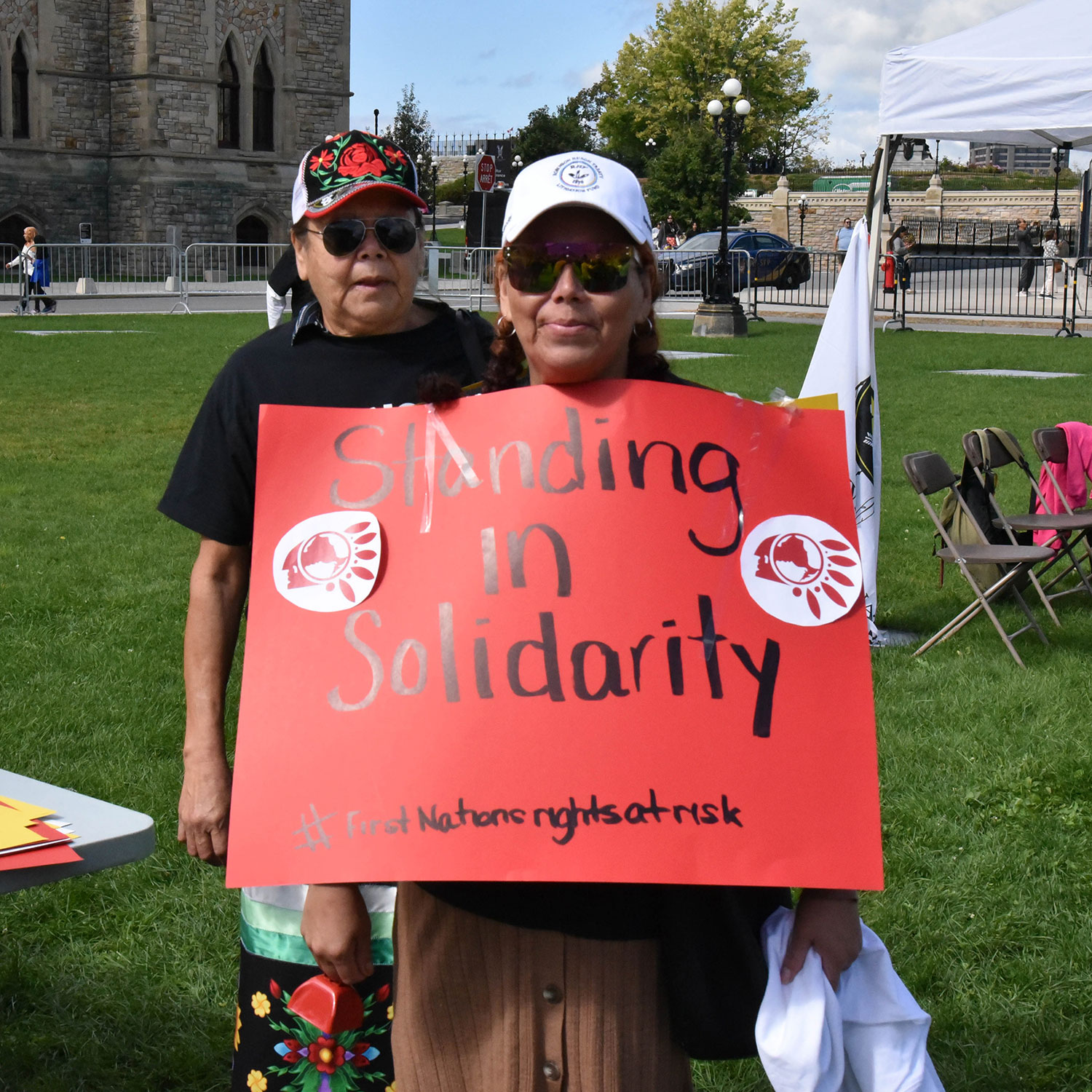
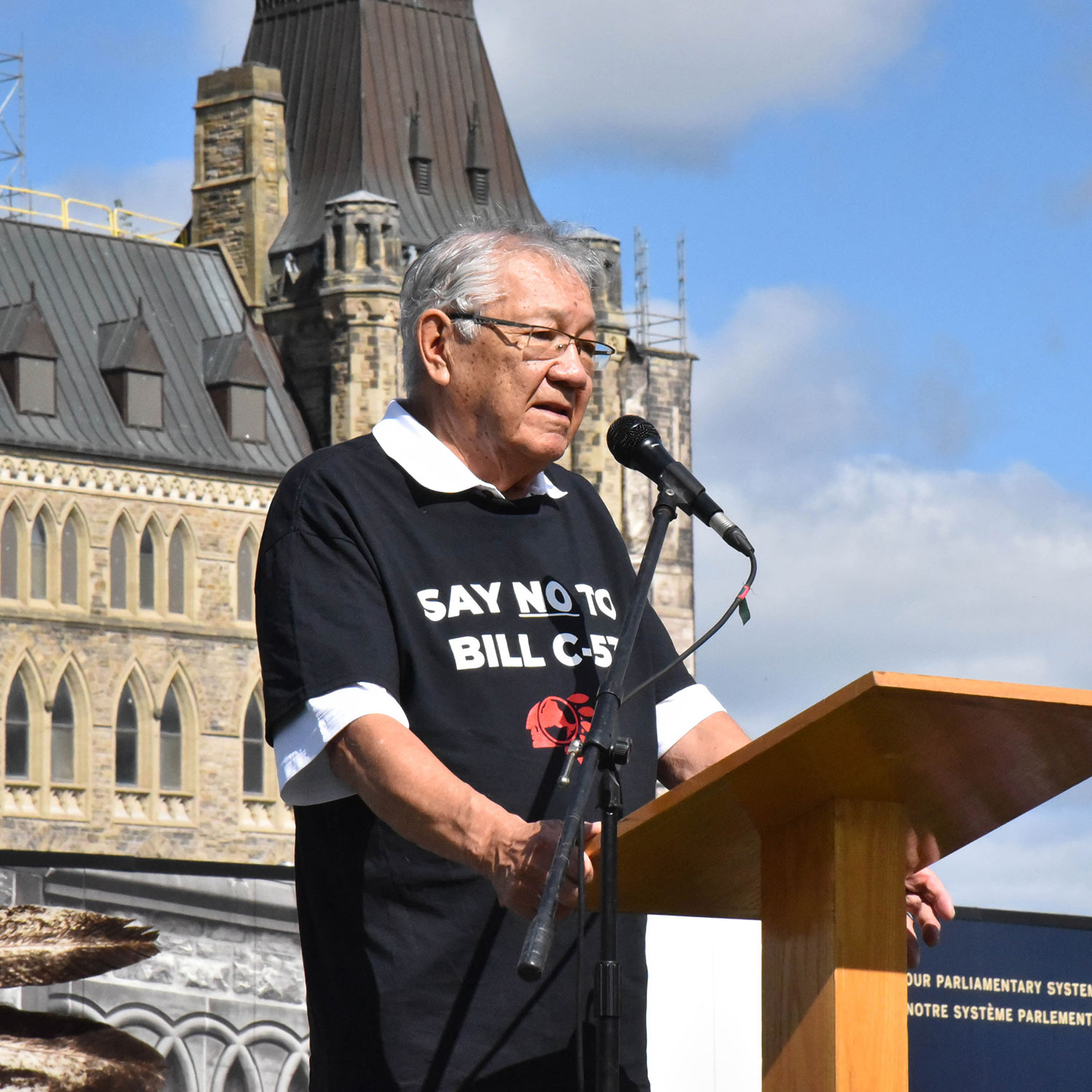
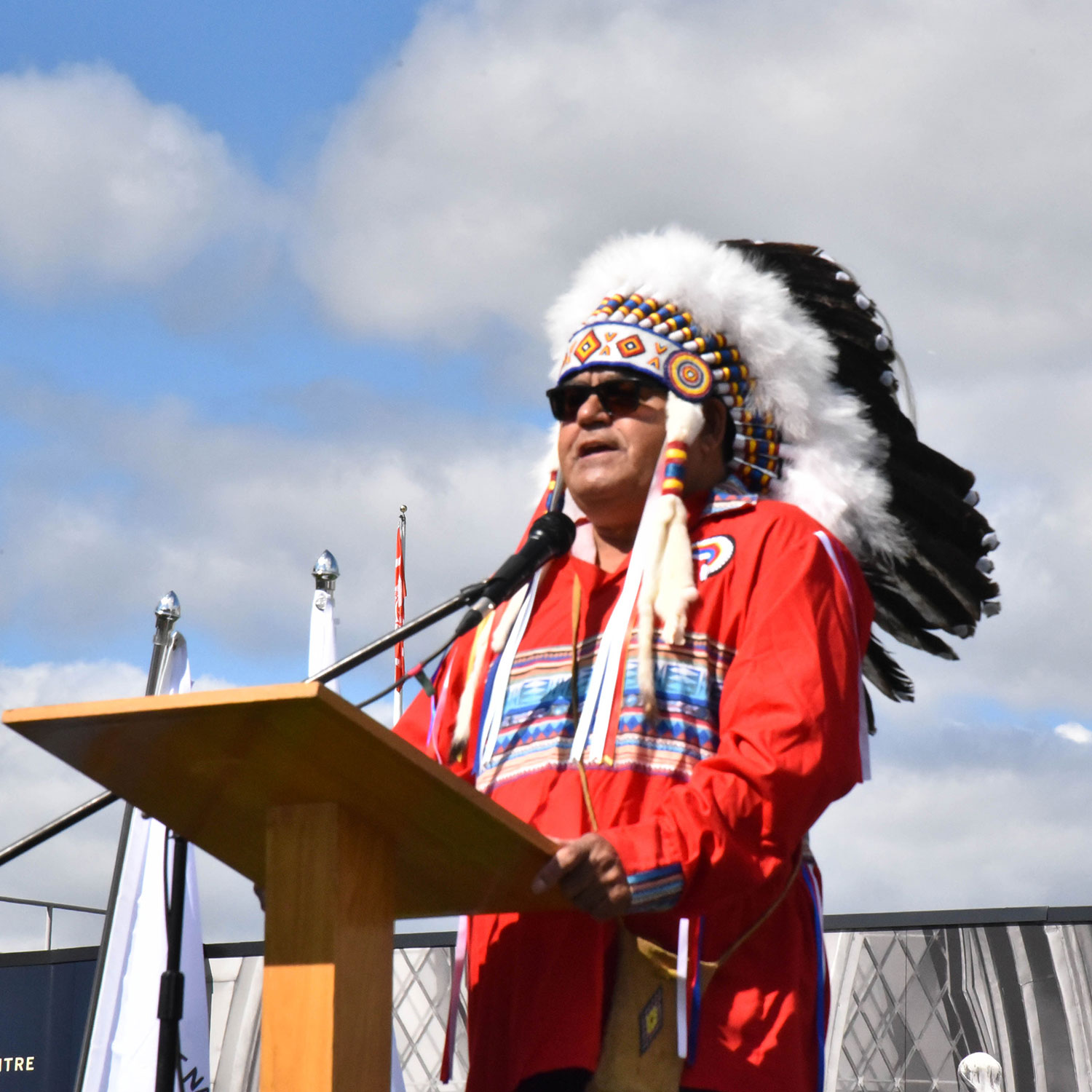
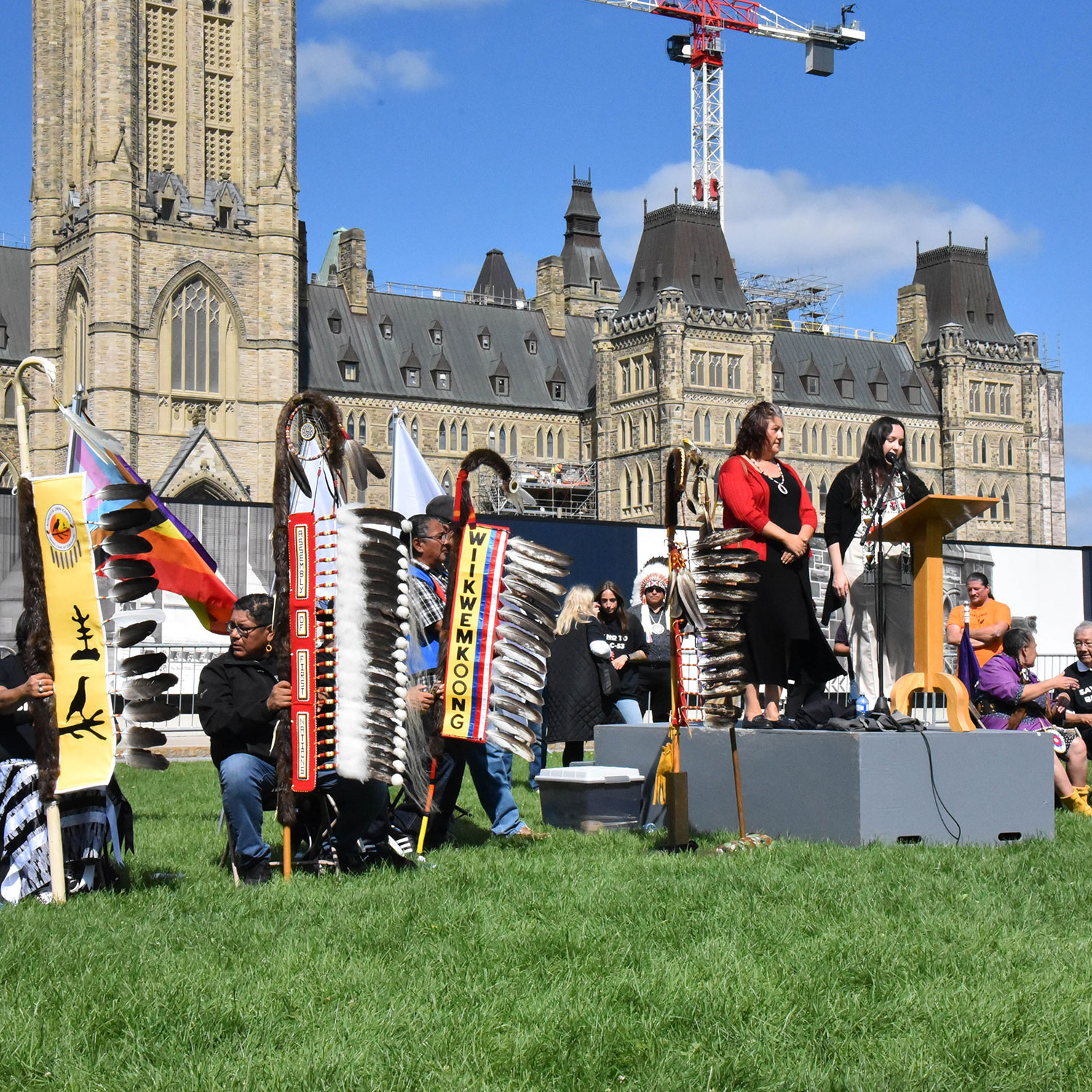
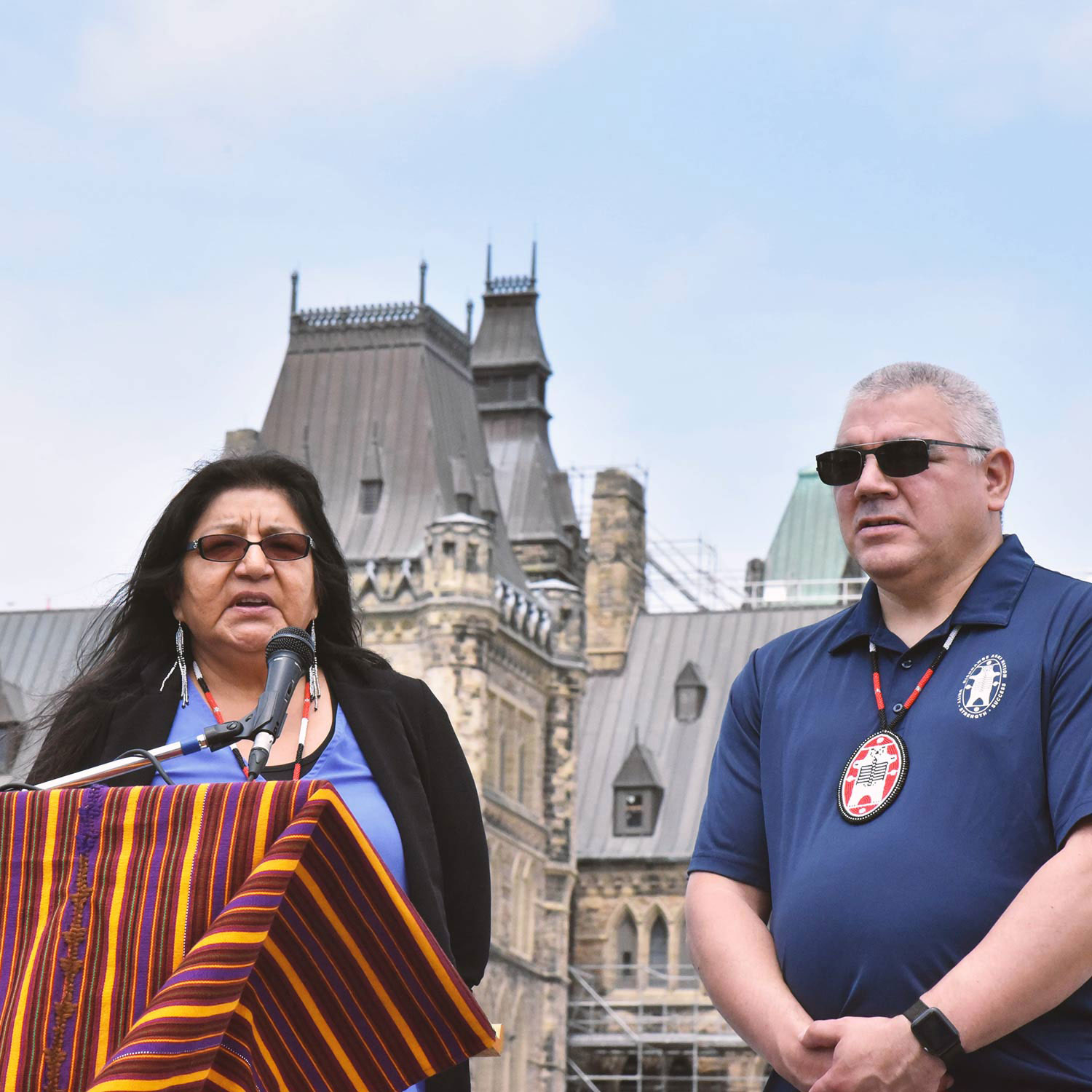
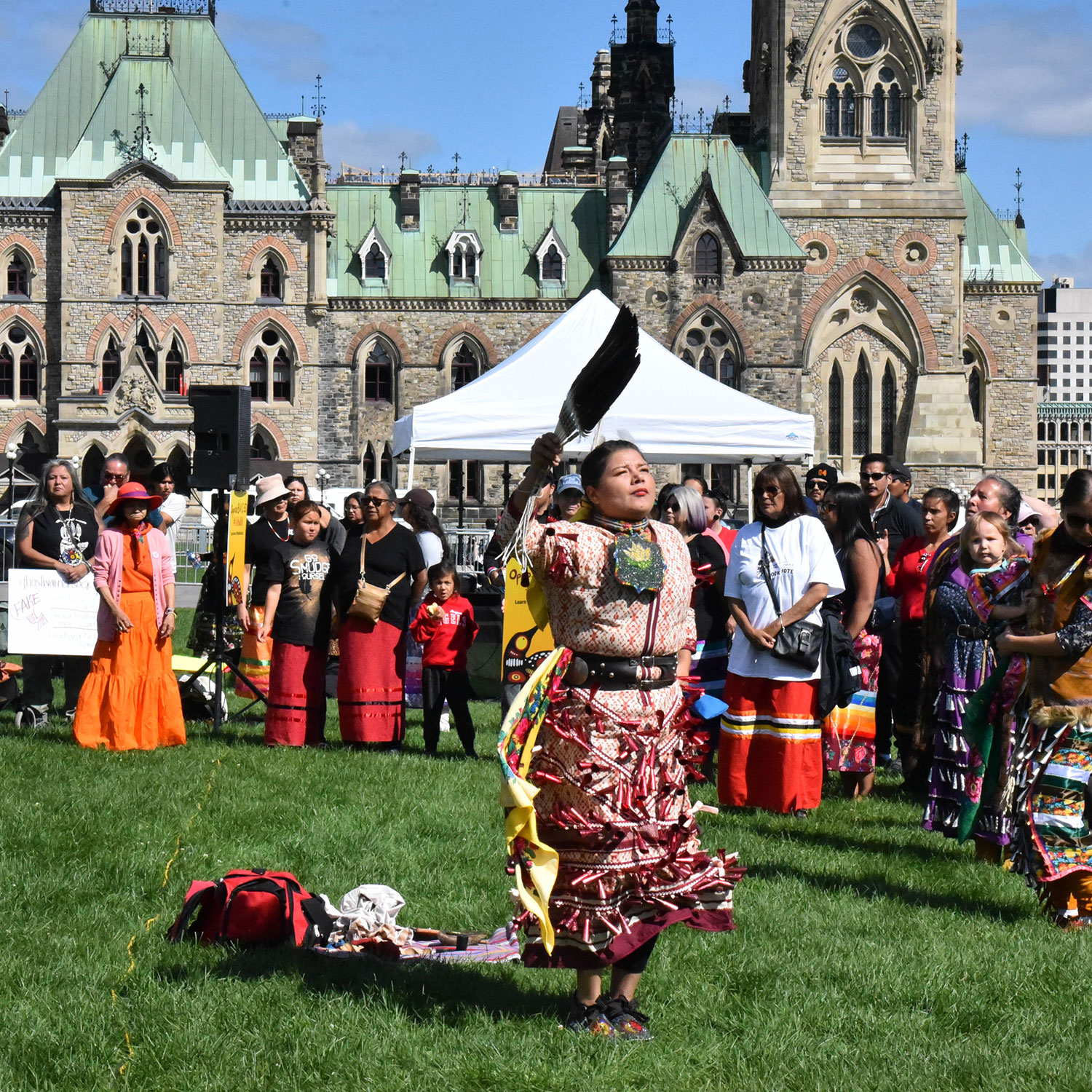
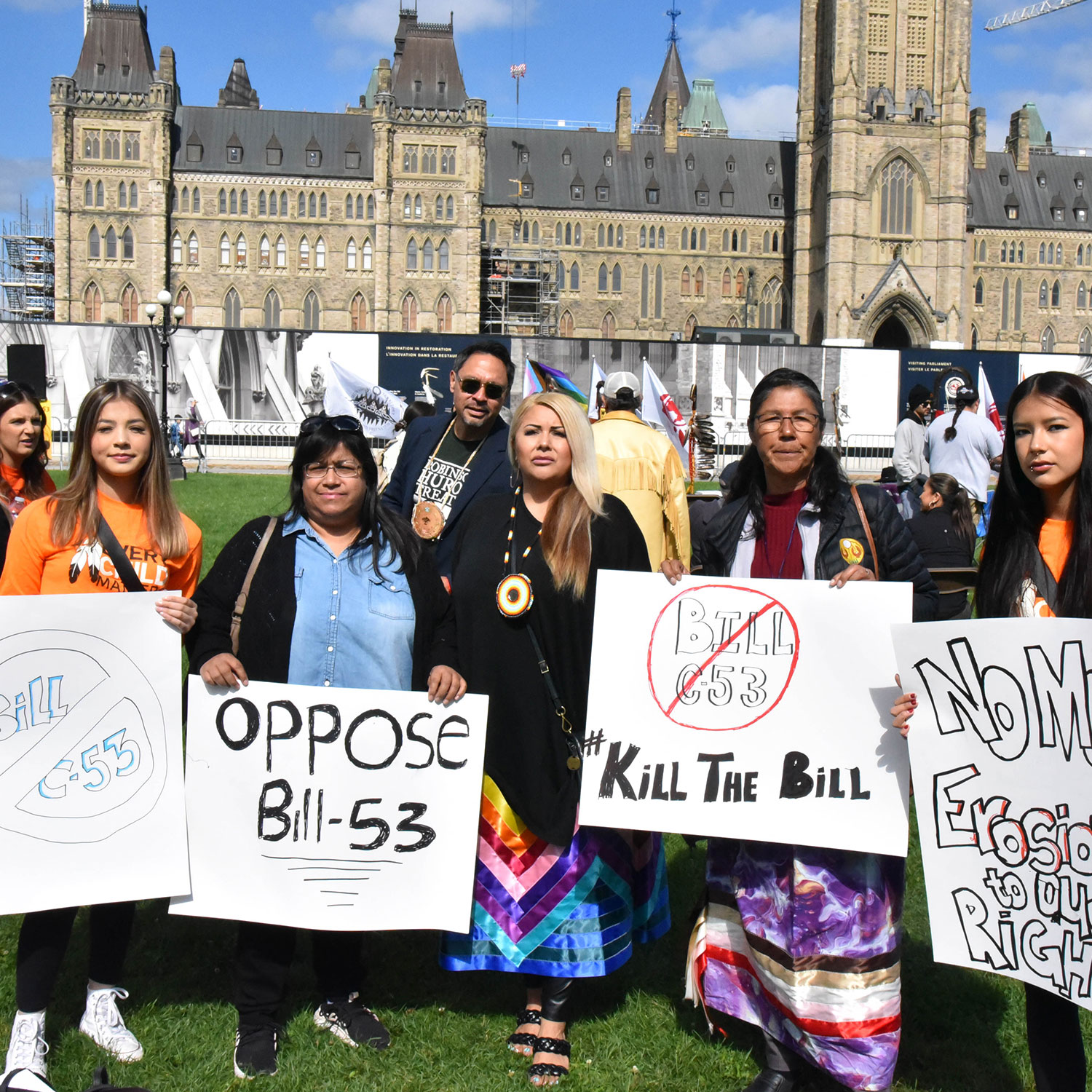
The bill was introduced in the House of Commons on July 21, 2023, passed first and second reading, and was referred to the Standing Committee on Indigenous and Northern Affairs (INAN) for study.
INAN began its study of Bill C-53 in October 2023. Ontario Regional Chief Glen Hare appeared alongside Chief Scott McLeod (Nipissing First Nation), Ogichidaa Francis Kavanaugh (GCT3) and Grand Chief Alvin Fiddler (NAN) on November 2, 2023.
In December 2024, the Minister of Crown-Indigenous Relations and Northern Affairs announced that Bill C-53 would not move forward.
Below are some of the brief submissions submitted by First Nations in the Ontario region, PTOs, Tribal Councils, and colleagues. Please note this is not a complete list of all brief submissions to INAN. To see all 274 submissions, visit this webpage.
- Chiefs of Ontario
- Grand Council Treaty #3
- Association of Iroquois and Allied Indians
- Robinson Huron Waawiindamaagewin
- Federation of Sovereign Indigenous Nations
- Matawa First Nations Management and Matawa Chiefs’ Council
- Anishinabek Nation
- Assembly of First Nations
- Confederacy of Treaty Six First Nations
- Saugeen Ojibway Nation
- Couchiching First Nation
- Nishnawbe Aski Nation
- Wabun Tribal Council
- Wiikwemkoong Unceded Territory
- Serpent River First Nation
- Six Nations of the Grand River
- Teme-Augama Anishnabai and Temagami First Nation
- Whitefish River First Nation
INAN presented its report with their proposed amendments to Bill C-53 on February 5, 2024. The Chiefs of Ontario were disappointed with the amendments made to Bill C-53, as the changes put forth by INAN did not address any of the fundamental issues that COO or First Nations were and remain concerned about.
Further, when CIRNAC officials appeared as witnesses on November 28, 2023, they both admitted that Canada did not verify the validity of the MNO’s claims to section 35 rights, but instead relied on the work done for Ontario’s 2017 recognition of six new “historic Métis communities” in the Ontario region to justify their recognition in Bill C-53.
First Nations’ fundamental concern regarding Bill C-53 is that the legislation creates illegitimate section 35 rights for the MNO to which they are not entitled.
In April 2024, the Métis Nation-Saskatchewan withdrew from Bill C-53, to pursue direct negotiations with Canada on their self-government Treaty. In August 2024, a report completed by the University of Saskatchewan examining MNO’s claims and its implications for Métis legitimacy, governance and identity was released. This report found many problems with the MNO’s registry and approach to identifying “Métis Root Ancestors”. The MN-S withdrew from the Métis National Council in September 2024. The Manitoba Métis Federation had done the same in September 2021. Both moves were due to serious concerns about the MNO’s claims and how they are negatively impacting legitimate Métis people.
In December 2024, the Minister of Crown-Indigenous Relations stated that Bill C-53 would not be going forward. First Nations in Ontario are proud to have been successful in their advocacy against Bill C-53 and more broadly in protection the sanctity of Aboriginal rights. Ontario First Nations remain deeply committed to opposing any future legislation that would recognize the MNO as having section 35 rights.